
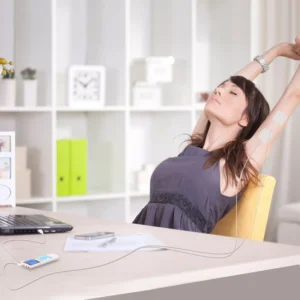
 Spending long hours at a desk has become normal for millions of people. Whether you work on a computer all day, attend online meetings, or alternate between typing and phone use, the body often stays in the same position for hours. Over time, this leads many people to experience neck and shoulder pain from desk jobs, sometimes accompanied by stiffness, reduced mobility, or tension headaches.
What makes neck pain after sitting at desk frustrating is that it usually doesn’t start suddenly. It builds slowly. At first, it feels like mild stiffness at the end of the day. Weeks later, it may turn into daily discomfort. Eventually, some people notice pain spreading from the neck into the shoulders or even the upper back.
This article examines the causes of desk-related neck and shoulder pain, the objectives of physiotherapy, and whether portable physiotherapy can effectively support recovery in everyday life.
Why Neck and Shoulder Pain Is So Common in Desk Jobs
The human body was not designed to stay still for long periods. Desk work creates a combination of factors that gradually overload the muscles and joints in the neck and shoulder area.
Prolonged Static Posture
When sitting at a desk, the head is often held slightly forward, especially when looking at a screen. Even a small forward tilt significantly increases the load on the neck muscles. Over time, these muscles remain contracted for too long, leading to fatigue and tension.
Reduced Blood Flow to Muscles
Muscles need movement to maintain healthy circulation. Sitting for long periods reduces blood flow to the neck and shoulder muscles, which can slow recovery and increase stiffness. This is one reason why neck pain after sitting at a desk often feels worse later in the day.
Repetitive Micro-Movements
Typing, using a mouse, and looking down at a phone create repetitive micro-movements. These may seem harmless, but over hours and days they can contribute to muscle imbalance and irritation.
Stress and Muscle Tension
Desk jobs are often mentally demanding. Stress can increase muscle tension, especially in the shoulders and neck. Many people unconsciously raise their shoulders or clench their muscles while concentrating. This triggers neck and shoulder pain working on a computer.
When Neck and Shoulder Pain Becomes a Daily Problem
For many people, desk-related pain is not a medical condition in itself. However, when discomfort becomes persistent, it can interfere with sleep, concentration, and overall quality of life.
Common signs of neck pain after sitting at desk include:
Stiffness when turning the head
Aching or tight shoulders
A feeling of pressure at the base of the neck
Discomfort that worsens after computer work
Pain that extends into the upper back
In some cases, neck and shoulder pain working on a computer can also be accompanied by tension headaches or a feeling of heaviness in the arms.
What Physiotherapy Aims to Do forNeck and Back Pain from Desk Job
Physiotherapy does not focus only on pain relief. Its goal is to address the underlying factors contributing to discomfort and help the body recover function.
In the context of desk jobs, physiotherapy typically aims to:
Reduce muscle tension
Improve local circulation
Support muscle relaxation
Encourage better movement patterns
Restore mobility in the neck and shoulders
- Treat neck and back pain from desk job
Traditional physiotherapy often involves hands-on techniques, guided exercises, and education about posture and movement habits. However, not everyone can attend frequent in-person sessions, which is where interest in portable solutions has grown.
What Is Portable Physiotherapy?
Portable physiotherapy refers to compact devices designed to support muscle recovery and relaxation outside of a clinic. These devices are not medical treatments in themselves, but rather tools that some people use as part of their daily routine.
Portable physiotherapy solutions typically apply one or more of the following principles:
Electrical Muscle Stimulation (EMS or TENS)
Gentle electrical impulses are used to stimulate muscles or nerves. This can help reduce muscle tension and create a sensation of relaxation.
Vibration Therapy
Vibration can encourage muscle relaxation and improve local circulation when applied correctly.
Heat Therapy
Heat helps increase blood flow and can reduce stiffness in tight muscles and reduce or heal neck and back pain from desk job.
Low-Level Light or Laser Therapy
Some devices use light-based technologies intended to support tissue recovery and reduce discomfort.
Different portable solutions use different combinations of these principles, depending on their design.
Can Portable Physiotherapy Help With Desk-Related Neck and Shoulder Pain?
Portable physiotherapy is not a replacement for professional care, but it may be useful for certain people in specific situations.
Where It May Help
Portable solutions are often used to:
Support muscle relaxation after long workdays
Reduce stiffness in the neck and shoulders
Encourage recovery between periods of desk work
Complement stretching and movement breaks
- Reduce neck and shoulder pain working on a computer
For people experiencing neck and shoulder pain from desk jobs, these tools can provide short, manageable sessions of relief without leaving home.
Where It Has Limitations
Portable physiotherapy has limits. It may not be appropriate if:
Pain is severe or worsening
Symptoms include numbness, tingling, or weakness
There is a known injury or medical condition
In these cases, professional evaluation is important.
The Role of Daily Habits Alongside Portable Solutions
No device can compensate for poor daily habits and so it is with neck and back pain from desk job. Portable physiotherapy tends to be most useful when combined with small lifestyle adjustments.
Helpful habits include:
Taking short movement breaks during desk work
Adjusting screen height to reduce forward head posture
Relaxing shoulders consciously during work
Stretching the neck and upper back regularly
When portable physiotherapy is used alongside these habits, it can support recovery rather than acting as a quick fix.
Why Desk-Related Pain Often Involves the Upper Back Too
Many people notice that neck and shoulder pain does not stay isolated. Over time, discomfort may extend into the upper back, leading to neck and back pain from desk jobs.
This happens because the neck, shoulders, and upper back function as a connected system. When one area is overloaded, others compensate. Supporting muscle relaxation across this region is often more effective than focusing on a single point.
Choosing a Portable Physiotherapy Approach Thoughtfully
Rather than focusing on specific brands or models, it’s more useful to think in terms of function and fit.
Questions worth considering include:
Which principle supports my main issue (tension, stiffness, recovery)?
Can I realistically use it regularly?
Does it fit into my daily routine without effort?
Availability and device options vary by region, which is why many people prefer to explore curated collections rather than individual products.
When to Seek Professional Advice
While desk-related neck and shoulder pain is common, it should not be ignored if it becomes persistent.
Consider professional advice if:
Pain lasts longer than a few weeks
Symptoms worsen over time
Pain interferes with sleep or daily activities
Portable solutions are meant to support, not replace, proper care when it is needed.
Final Thoughts: Supporting Recovery in Everyday Desk Life
Neck and shoulder pain from desk jobs is one of the most common modern discomforts. It develops quietly, often as a result of prolonged sitting, limited movement, and ongoing muscle tension.
Portable physiotherapy does not promise cures, but for many people it offers a practical way to support muscle relaxation and recovery as part of daily life. When combined with better movement habits and awareness, it can help reduce the impact of long hours at a desk.
Some people opt for portable physiotherapy solutions that utilize techniques such as electrical stimulation, vibration, heat, or light-based therapy. Availability and device types vary by region.
👉 You can explore portable physiotherapy options for the USA here:
Physiotherapy USA