
Hyperlipidemia Didn’t Ruin My Life Overnight. It Did It Slowly.
For years, I told myself I was fine.
I wasn’t overweight enough to worry. I still had energy—at least in the mornings. My blood pressure hovered just below the red zone, and every time someone mentioned cholesterol, I brushed it off with the same lazy excuse: “I’ll deal with it later.”
Later never came quietly.
Hyperlipidemia causes and treatment are rarely discussed until damage is already underway. Hyperlipidemia doesn’t announce itself. It doesn’t hurt. It doesn’t knock you down all at once. It waits. It accumulates. It settles into your bloodstream while you’re busy living, eating, celebrating, and compensating for stress with food that feels good in the moment and damages you in the long run.
For me, it started with convenience.
Late dinners. Heavy meals. Processed fats dressed up as rewards for long days. Sugar disguised as comfort. I didn’t binge—I normalized excess. And my body, silently, kept score.
Hyperlipidemia Symptoms Appear Before Diagnosis
The lab results didn’t shock me at first.
Slightly elevated LDL. Triglycerides are higher than they should be. “Borderline,” the doctor said, which sounded harmless enough to ignore.
But my body told a different story.
Climbing stairs felt heavier than it should have. My recovery after workouts slowed down. Brain fog crept in—not dramatic, just enough to dull sharp thinking. Sleep didn’t restore me the way it used to.
These are classic hyperlipidemia symptoms, even if no one calls them that yet.
Hyperlipidemia isn’t just about cholesterol numbers. It’s about blood viscosity, cellular oxygen delivery, and metabolic strain. When you understand what causes high blood lipids, you start seeing how every system downstream is affected—especially the cardiovascular system.
I didn’t understand that yet. I only knew something was drifting off course.
Understanding hyperlipidemia causes and treatment through portable physiotherapy requires looking beyond diet alone and into circulation, recovery, and metabolic signaling as interconnected systems.
High Cholesterol Health Risks Don’t Arrive Loudly
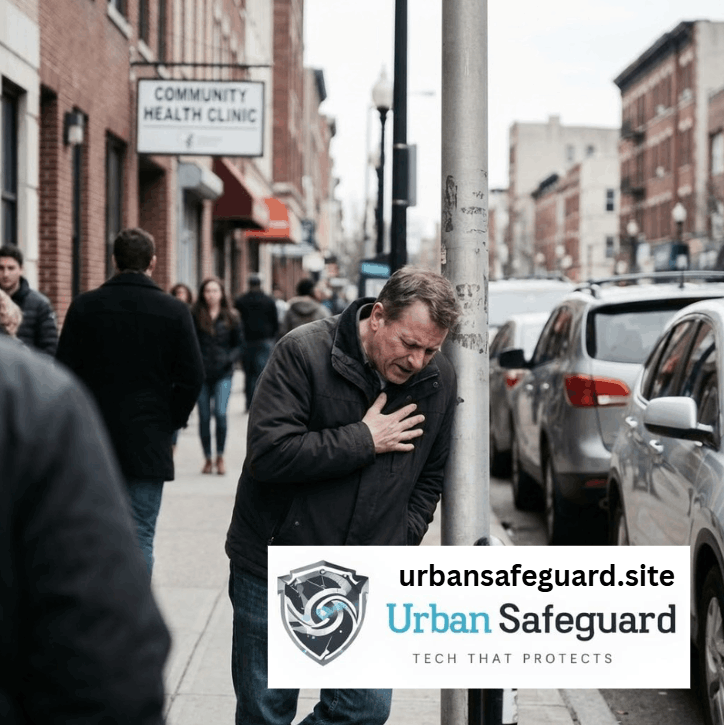 The moment that forced me to pay attention wasn’t dramatic—but it was terrifying in its subtlety.
A routine checkup turned into a longer conversation. Numbers were no longer “borderline.” They were persistent. Chronic.
These are the real high cholesterol health risks. Not sudden collapse—but constant pressure on blood vessels, inflammation of arterial walls, and reduced microcirculation. Over time, organs adapt by lowering performance.
Your body doesn’t fail loudly. It slows down.
That’s when I realized: if I kept going like this, I wouldn’t collapse—I would fade.
Hyperlipidemia Causes and Treatment Go Beyond Diet
I did what everyone does first.
I cleaned up my diet. Cut obvious junk. Reduced saturated fats. Ate lighter dinners. Progress happened—but slowly, frustratingly slowly.
Hyperlipidemia causes and treatment are complex because hyperlipidemia develops over years. It doesn’t reverse quickly—especially when metabolic health decline has already affected circulation and recovery capacity.
That’s when I started looking beyond food.
Not for shortcuts—but for support systems that help the body recover at a cellular level.
Laser Therapy for Cholesterol and Circulation Support
I came across laser therapy for cholesterol almost by accident.
Not through influencers. Not through miracle claims. Through clinical discussions about photobiomodulation—specifically how low level laser therapy 650nm interacts with blood components and vascular function.
At this wavelength, light doesn’t heat tissue. It stimulates.
Research pointed to improved microcirculation, red blood cell flexibility, oxygen delivery, and metabolic signaling.
For someone facing hyperlipidemia symptoms and increasing cardiovascular strain, this matters.
Thickened blood and lipid overload reduce cellular exchange efficiency. Supporting circulation doesn’t cure hyperlipidemia—but it reduces systemic stress and supports cardiovascular risk prevention.
Clinical discussions around photobiomodulation describe how low level laser therapy 650nm and cardiovascular health are connected through improved microcirculation, red blood cell flexibility, and local oxygen delivery, as documented in peer-reviewed research published on PubMed.
Portable Physiotherapy Devices as Metabolic Support
I didn’t expect miracles. I expected nothing.
The first thing I noticed wasn’t the lab results. It was a recovery.
My body felt less sluggish. Morning heaviness faded. Workouts didn’t drain me for days. Sleep became deeper—not longer, but more effective.
Over time, follow-up blood work showed gradual improvement: trends, not miracles.
That’s where portable physiotherapy devices made sense—not as treatment replacements, but as recovery amplifiers alongside lifestyle changes.
Metabolic Health Decline Is a Systemic Problem
Modern hyperlipidemia isn’t just about food.
It’s about stress, sedentary circulation, poor recovery, and disrupted metabolic signaling. When lipids accumulate, the entire transport system of the body slows down.
Supporting circulation, recovery, and cellular efficiency gives the body a chance to respond.
That’s the part most conversations skip.
The Real Lesson About Hyperlipidemia Causes and Treatment
Hyperlipidemia didn’t ruin my life because I ignored cholesterol.
It almost did, but I ignored the systems.
Food is one system. Circulation is another. Recovery is another. Metabolic health sits at the intersection of all of them.
Once I stopped chasing single solutions and focused on system support, things finally shifted.
Slowly. Realistically. Sustainably.
Why This Story Matters
Because hyperlipidemia causes and treatment don’t scare people enough.
They sound clinical. Abstract. Manageable.
But they shape how you think, move, recover, and age.
And sometimes the most effective support doesn’t come from fighting the body—but from understanding how it responds when given the right conditions.
For those exploring supportive, non-invasive tools, portable physiotherapy devices for cardiovascular support can play a role alongside lifestyle changes by improving circulation and recovery.