Dash Cam for Cars in the USA: What Modern Car Cams Really Do
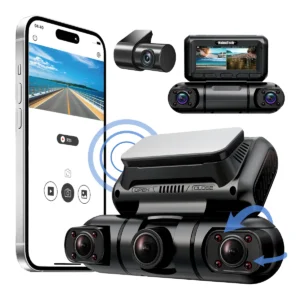 Ten years ago, installing a dash cam for cars in the USA was something only tech enthusiasts or rideshare drivers bothered with. Today, it has quietly become one of the most practical upgrades an American driver can make. Not because it looks impressive on the windshield, but because it solves problems drivers actually face every day — accidents, insurance disputes, parking damage, and the simple need to know what really happened.
Modern car cams are no longer just small recorders pointing forward. They have evolved into full driving documentation systems. A front & rear dash cam, a 360 full back up degree dash cam, or a backup camera system now work together to capture situations that used to rely only on memory and guesswork. And memory, as any insurance adjuster will tell you, is unreliable.
Why dash cams became essential in the USA
Driving conditions in the United States are unique. Long commutes, crowded highways, massive parking lots, and a heavy dependence on cars mean incidents happen frequently — often without witnesses. A minor fender bender can quickly turn into a serious legal or financial problem if responsibility is unclear.
This is where a dash cam USA setup makes a difference. A car DVR records continuously while you drive, creating a neutral, time-stamped account of events. When something happens, the footage doesn’t argue, exaggerate, or forget details. It simply shows what occurred.
But the real shift happened when dash cams stopped being single-lens devices. The moment front rear dash cam systems became affordable, drivers gained a way to document not only what happens ahead, but also what happens behind — tailgating, rear-end collisions, or hit-and-run incidents in traffic.
From simple recording to complete coverage
A modern dash cam for cars is best understood as part of a system, not a standalone gadget. Depending on the model, it may include multiple lenses, wireless connectivity, night vision, and parking monitoring. These features are not marketing extras — they exist because real-world driving demands them.
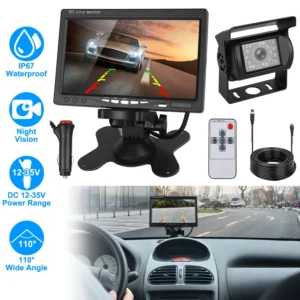
A front-facing car camera captures lane changes, traffic lights, and road conditions. A rear view camera records what follows your vehicle, which is critical in rear-end accidents. A backup camera system adds value in tight parking situations, especially for larger vehicles common in the US market such as SUVs and pickup trucks.
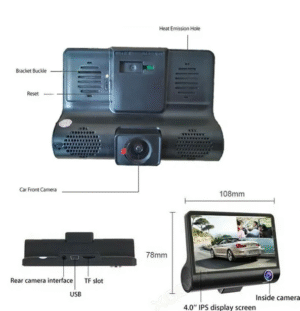
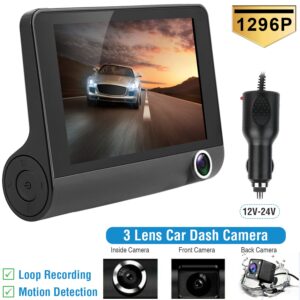
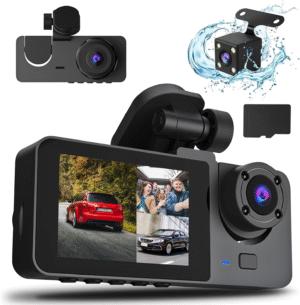
Some drivers choose a 3 channel dash cam or a 360 degree dash cam, which records not only front and rear but also the cabin or side angles. This matters for rideshare drivers, fleet vehicles, and anyone who parks on busy streets where door dings and vandalism are common.
4K dash cam and image clarity in real situations
 Resolution is often misunderstood. A 4K dash cam is not about cinematic quality — it is about usable detail. License plates, street signs, and small movements become readable when you need them most. In an insurance claim or legal dispute, clarity can determine whether footage is useful or ignored.
In real driving conditions, things happen fast. A vehicle cuts across lanes, brakes suddenly, or sideswipes another car. A lower-resolution car DVR may capture the event, but miss identifying details. A higher-quality car camera increases the chance that footage actually helps you.
Night driving is another factor. Many incidents occur in low light, during rain, or in poorly lit parking areas. Modern dash cam USA models are built with sensors designed to handle these conditions without washing out headlights or losing detail in shadows.
Wireless dash cam systems and ease of use
One reason everyday drivers once ignored dash cams was the inconvenience. Removing memory cards, connecting cables, and managing files felt like work. A wireless dash cam changes that experience.
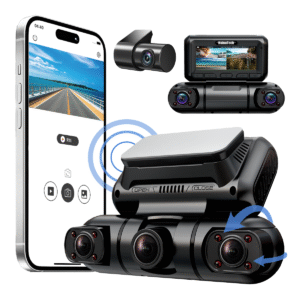
With wireless connectivity, footage can be reviewed on a phone shortly after an incident. This matters when police are present, or when you need to confirm details immediately. It also allows drivers to save important clips before they are overwritten by loop recording.
Wireless systems also simplify updates and configuration. Adjusting recording sensitivity, parking mode, or camera angles becomes easier, encouraging drivers to actually use the system rather than ignore it after installation.
Road safety authorities in the United States, including organizations like the National Highway Traffic Safety Administration, consistently highlight the importance of driver awareness and documented evidence in traffic incidents.
Parking mode and real-world protection
One of the least understood features of a dash cam for cars is parking monitoring. When enabled, the car DVR continues to watch even when the engine is off. If the vehicle is hit, shaken, or disturbed, the camera activates and records the event.
In the USA, where parking lots are large and often unattended, this feature alone justifies having a dash cam. Shopping centers, apartment complexes, and street parking all present risks that occur when the driver is nowhere near the car.
This is especially important for front rear dash cam setups, where damage may occur behind the vehicle without any witnesses. Footage captured during parking incidents often makes the difference between paying out of pocket and having proof.
One clear comparison drivers should understand
A standard dash cam records the road ahead, while advanced systems combine front rear dash cam coverage, higher resolution, wireless access, and parking monitoring to protect the vehicle at all times.
Many drivers choose front and rear dash cam systems for better coverage, especially when parking in public areas.
How to choose the right dash cam for cars
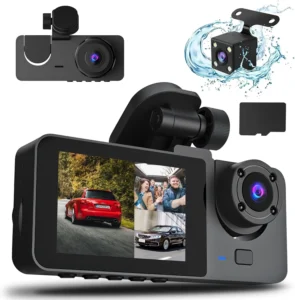 Choosing a dash cam USA model is not about buying the most expensive option. It’s about matching the system to how and where the car is used. Daily commuters benefit from front & rear dash cam coverage. Urban drivers should consider parking mode and wireless features. Long-distance drivers may prioritize reliability and heat resistance.
Backup camera systems are particularly valuable for drivers of larger vehicles. Even experienced drivers misjudge distances, and a rear-view camera reduces blind spots that mirrors cannot eliminate.
A 360-degree dash cam may be excessive for some, but essential for others. Rideshare drivers, delivery vehicles, and family cars used by multiple drivers benefit from having complete coverage of what happens inside and around the vehicle.
Why these systems work well for the US market
Dash cams designed for the USA often account for local conditions: long highway drives, extreme temperatures, and varied lighting environments. Models stocked and shipped within the US also reduce compatibility issues and simplify returns or replacements.
As regulations vary by state, modern dash cam for cars systems are designed to be discreet, legal to mount, and easy to adjust. This allows drivers to stay compliant while still benefiting from continuous recording.
The real value of a dash cam for cars
The true value of a dash cam is not measured by how often you watch the footage. It is measured by how rarely you need it — and how powerful it becomes when you do. When something unexpected happens, having a reliable car camera turns uncertainty into clarity.
Drivers who install a dash cam USA system often say the same thing: they didn’t realize how much peace of mind it would provide. Knowing that every drive is documented changes how people feel behind the wheel.
Final thoughts
A dash cam for cars is no longer a niche accessory. It has become a practical tool for modern driving in the United States. Whether you choose a front rear dash cam, a 4K dash cam, a wireless dash cam, or a full 360 degree dash cam system, the goal is the same — to protect yourself, your vehicle, and your version of the truth.
At Urban Safeguard, we curate car cameras that fit real American driving needs. Models come and go, technology improves, and new features appear — but the purpose remains constant. When the road doesn’t play fair, your dash cam does.
For a broader overview of smart car accessories beyond dash cams, you can explore our external resource here.